
wall mounted led mirror
Understanding Thread Plug Gauge Standards Thread plug gauges are essential tools in the manufacturing and engineering industries, serving as critical instruments for the inspection and quality control of threaded components. The accuracy and reliability of these gauges are crucial in ensuring that the threads produced meet specified tolerances and functional requirements. One of the key aspects in the context of thread plug gauges is the standardization of their dimensions and characteristics, which ensures consistent performance across different applications and industries. The Importance of Standardization Standardization in thread plug gauges helps to maintain uniformity in thread dimensions among various products and manufacturers. This is vital for ensuring that parts produced by different manufacturers can fit and function correctly together, which is particularly important in industries such as aerospace, automotive, and machinery manufacturing. Without standardization, the risk of parts being incompatible increases, which can lead to costly production issues and potential safety hazards. International standards organizations, such as the International Organization for Standardization (ISO) and the American National Standards Institute (ANSI), have developed specific guidelines and standards for thread gauges. These standards outline the dimensional tolerances, materials, and usage protocols for thread plug gauges, ensuring that they meet quality assurance criteria across industries. Thread Plug Gauge Types There are various types of thread plug gauges, each designed for specific applications. The most common types include 1. Go Gauges These gauges are designed to check the maximum limit of the acceptable thread dimensions. A go gauge must fit into the threaded hole without any resistance, ensuring that the internal thread is within the specifications of the standard. 2. No-Go Gauges In contrast, the no-go gauge checks the minimum limit of the thread dimensions . If the no-go gauge fits into the thread, it indicates that the thread is out of tolerance and does not meet the required specifications. 3. Intermediate Gauges These gauges are often used for more precise applications and checking for alignment and other nuanced tolerances. thread plug gauge standard Measuring Thread Dimensions Thread plug gauges are utilized to inspect various dimensional characteristics of threads, such as pitch diameter, flank angle, and thread form. The primary measurement of interest is often the pitch diameter, which directly influences how well two threaded components will mate. Proper use of thread plug gauges helps in identifying any deviations from the desired specifications and ensures that the production process remains within the quality standards set by governing bodies. Material and Design Considerations The materials used in the construction of thread plug gauges are also crucial for their longevity and effectiveness. High-carbon steel, stainless steel, and carbide are commonly used materials that provide the necessary strength and wear resistance. The design of the gauge, including its shape and ergonomic features, also plays a role in ease of use and accuracy during inspections. Calibration and Maintenance Regular calibration and maintenance of thread plug gauges are necessary to uphold their accuracy over time. Calibration involves comparing the gauge against a standard reference to ensure it measures correctly. Regular checks will catch any drift in measurement accuracy that may arise due to wear and tear or environmental factors. Conclusion Thread plug gauge standards are vital for maintaining the integrity and quality of threaded components across diverse industries. By following established standards, manufacturers can ensure that their products will operate safely and effectively together, reducing the likelihood of costly errors and improving overall efficiency. As technology advances and new testing methodologies emerge, the continual evolution of these standards will remain essential in supporting the needs of modern manufacturing processes. Adopting rigorous testing procedures with high-quality thread plug gauges will ultimately foster a culture of precision engineering, leading to better products and increased customer satisfaction. In summary, understanding thread plug gauge standards is crucial for quality assurance and operational success in threaded part production and inspection.
about
wall mounted led mirror
Understanding Screw Thread Plug Gauges Screw thread plug gauges are essential tools in precision engineering, primarily used to measure the functional dimensions and tolerances of internal threads in a variety of applications. They play a critical role in ensuring the quality and precision of threaded components, which are ubiquitous in machinery, automotive industries, and construction. A screw thread plug gauge typically consists of a cylindrical body with a threaded portion that mimics the characteristics of the internal threads it is designed to measure. These gauges are manufactured with high precision and are available in various sizes and thread profiles to accommodate different thread standards, such as ISO, UN, and metric threads. The primary purpose of a screw thread plug gauge is to check whether the threaded holes meet their designated specifications. This ensures that parts can be assembled correctly and function reliably. When using a plug gauge, the operator inserts the gauge into the threaded hole . If the gauge fits properly, the thread is considered acceptable. If it does not fit, it indicates that the thread dimensions are outside permissible limits. screw thread plug gauge There are typically two types of screw thread plug gauges the go gauge and the no-go gauge. The go gauge is used to check that the internal thread is of sufficient size and is functional, while the no-go gauge is used to verify that the thread is not oversized. Together, these gauges form a comprehensive testing system that ensures that the threads will function as intended. In recent years, technological advancements have led to the development of digital thread gauges that provide automated measurements and readings. These tools increase efficiency and accuracy in quality control processes, reducing human error and speeding up production lines. Overall, screw thread plug gauges are indispensable in manufacturing and quality assurance processes. They help maintain the highest standards of safety and efficacy in threaded components, ultimately contributing to the longevity and performance of a wide array of products. As industries continue to push the boundaries of precision engineering, the role of screw thread plug gauges will remain vital, ensuring that threads remain a reliable connection point in our increasingly complex mechanical assemblies.
-

High quality industrial productsagement

High quality industrial products
View Details -

Meet the diverse needs of customers

Meet the diverse needs of customers
View Details -

Strict quality control

Strict quality control
View Details -

Top raw materials

Top raw materials
View Details -

Trusted supplier

Trusted supplier
View Details
Our application


news and information

water main check valve
Understanding the Importance of Water Main Check Valves Water supply systems are the lifeblood of an

valve factory
Located at the very heart of industrial innovation, valve factories have become pivotal in shaping t
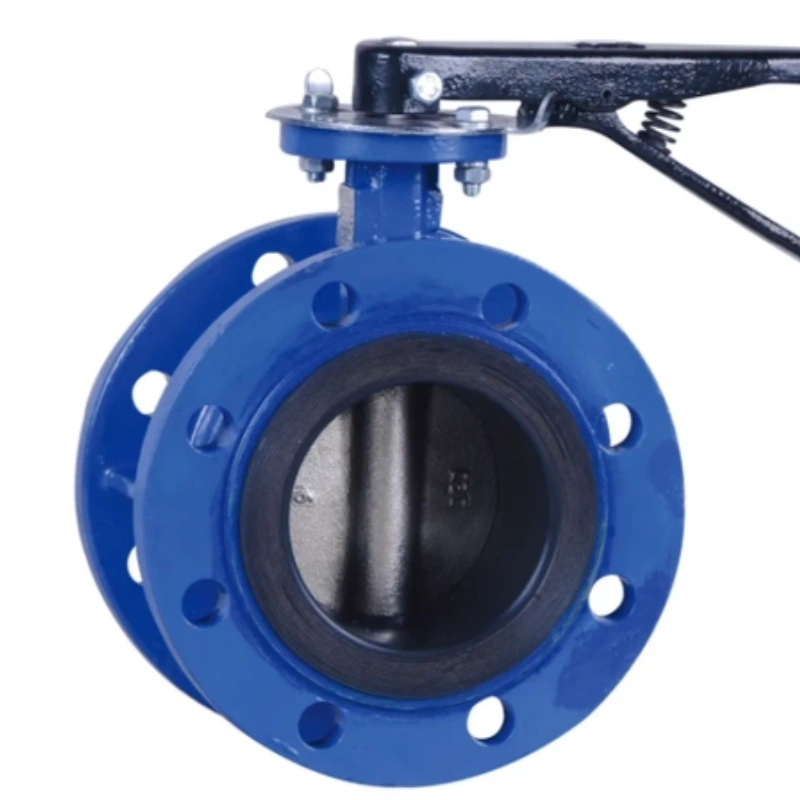
Vanne à bille de 6 pouces pour des applications industrielles fiables et efficaces
La valve à clapet à bille de 6% La valve à clapet à bille, souvent désignée sous l'appellation de va
 English